
Don’t forget judicial races in election coverage
Jim Pumarlo
Aug 1, 2026

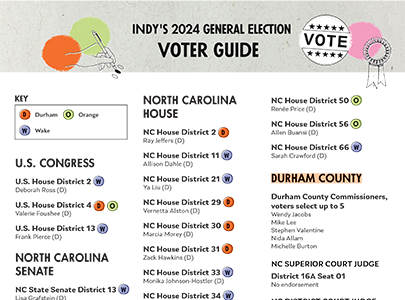
Election season is in full swing. Newsrooms have their hands full navigating coverage.
It makes sense to devote resources to those contests with greatest familiarity to your staff and relevance to readers — city council, school board, county board and other local governing boards. Next in line are applicable legislative and congressional races. Depending on circumstances and issues, specific statewide races might prompt a closer look.
I urge you to also put judicial races on your radar.
The judiciary has garnered widespread attention on a national level in the midst of the Trump Administration’s steady stream of executive orders. What do the back-and-forth rulings at various court levels mean to your readers?
Also, think beyond the national scene. Judges are arguably among the most influential of elected officials, whether at the local, state or federal levels. They hand out sentences for a variety of crimes from everyday fare to the high profile. They rule on private disputes among individuals and companies in civil suits. Determinations on lawsuits can result in transactions of millions of dollars. They interpret laws passed by other elected officials.
Yet, how many individuals can name their local judges, not to mention those on the state or federal supreme courts? In similar vein, how many newspapers give any attention — beyond the names and possibly brief biographies — to judicial candidates? In fact, how often are judges themselves — aside from decisions rendered in courtrooms — the focus of news stories? The fact that judgeships escape scrutiny is the strongest reason the public should be paying attention to — and newspapers should be providing coverage of — the individuals in robes.
Judicial races have become more spirited. Given staff capabilities, the focus for community newspapers should be on county and district judges, especially if the individuals live in their towns.
Most races are nondescript in terms of issues and candidate qualifications. On occasion, however, contests rise to broader awareness. For example, Mothers Against Drunk Driving publishes data and regional trends on how local judges and prosecutors handle drunk driving cases. Organizations such as League of Women Voters might provide profiles and offer guidance on how to evaluate candidates.
Judges who have been disciplined or reprimanded by a professional licensing board come under greater scrutiny. Some judges might have visible and ongoing controversies with a prosecuting or defense attorney, resulting in their being challenged or removed from presiding over cases. In other instances, red flags are raised when challengers wage unusually aggressive campaigns.
The task is to provide substantive coverage of these races that largely go unnoticed. Remember, the justices are handing down decisions in hometown courthouses that impact your community on narrow and broad scales. Readers have a right to know whether candidates are tough on crime. Do they readily support plea bargaining? What’s their stance on routine cases such as DWI convictions? Do they support innovative sentencing in addressing certain crimes?
Another element of election coverage — endorsements — takes extra prominence in judicial races. Editors should go to extra lengths to scour candidate backgrounds. Some organizations, such as bar associations, poll their members and rate candidates. Newspapers must be careful, however. These surveys and resulting endorsements might not be as informative as candidate responses to questions posed by the newspaper.
If candidates are waging aggressive campaigns, staffs should pay attention to their speaking engagements. Identifying who they seek support from or who they consider their bases of support can be just as revealing as their actual messages. Make it a point to examine campaign finance reports.
Some generic questions are appropriate for all judicial candidates, in addition to a summary of their backgrounds and qualifications. For example:
- Do candidates intend to seek endorsement and/or financial contributions from political parties and other special-interest groups? If so, who has endorsed them?
- Do they believe there is sufficient sharing of information in the criminal justice system to maximize the effectiveness of law enforcement agencies? Should additional initiatives be pursued?
- Do they believe improvements could be made in how news media cover courts?
- What do they identify as the pros and cons of alternative initiatives such as drug courts and restorative justice?
- Do they support cameras in the courtroom?
Finally, editors and publishers should not forget the role of judges in guaranteeing access to government proceedings and information. That’s why the newspaper industry annually celebrates “Sunshine Week: Your Right to Know.” All newspapers should take a pulse of where candidates stand on key issues surrounding the public’s right to know.
The goal of all election coverage is to provide relevant information otherwise not easily obtainable. Those objectives especially ring true in judicial elections. Judges can generate a certain mystique among the general public. Editors and reporters often are hesitant to press their cases — not to mention recommend to readers which individuals might best serve behind the bench. Newspapers should not be afraid to scrutinize candidates, especially if contests are generating extra attention.
Reporting on judicial elections is another opportunity to stand out in the fractured media landscape, distinguishing your role as the premier source for local election information.
Jim Pumarlo is former editor of the Red Wing (Minnesota) Republican Eagle. He writes, speaks and provides training on community newsroom success strategies. He is author of “Journalism Primer: A Guide to Community News Coverage,” “Votes and Quotes: A Guide to Outstanding Election Coverage” and “Bad News and Good Judgment: A Guide to Reporting on Sensitive Issues in Small-Town Newspapers.” He can be reached and welcomes comments and questions at jim@pumarlo.com.